
Supported by Sicilia Film Commission, Apulia Film Commission, Italian Ministry of Culture.
SYNOPSIS
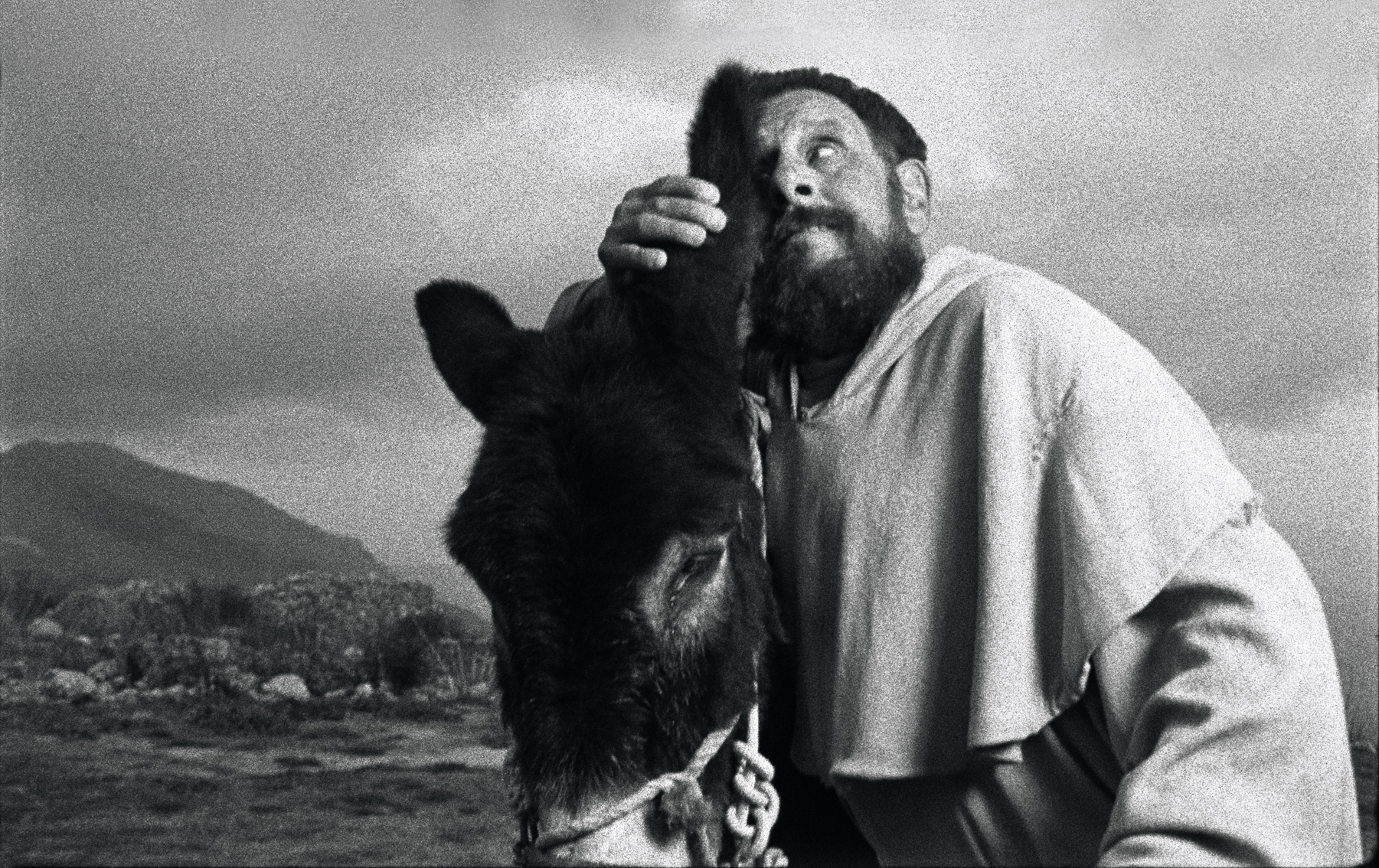
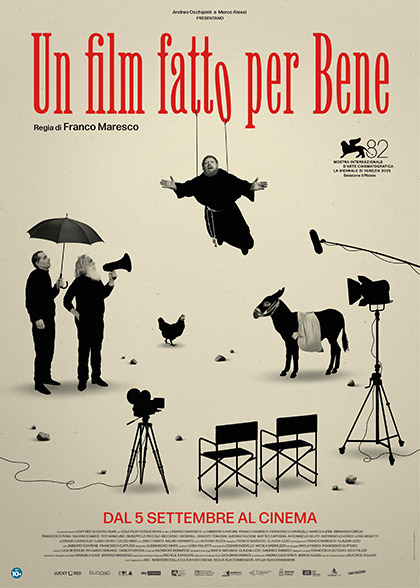
The shooting of Franco Maresco’s movie about Carmelo Bene are abruptly halted after yet another incident on set. Pulling the plug is producer Andrea Occhipinti, exasperated by endless takes and constant delays. On his part, the director of Belluscone and The Mafia Is No Longer What It Used to Be accuses the production of “filmicide,” then disappears without a trace. Trying to mend the rift is a friend of Maresco’s, who calls on everyone involved in the venture to bear witness — an investigation that becomes an opportunity to retrace the personality and ideas of the most corrosive and apocalyptic auteur in Italian cinema. And what if, far from everything and everyone, Maresco were secretly finishing his film — now “the only way to give shape to the rage and horror I feel for this shitty world”?
THE AUTHOR
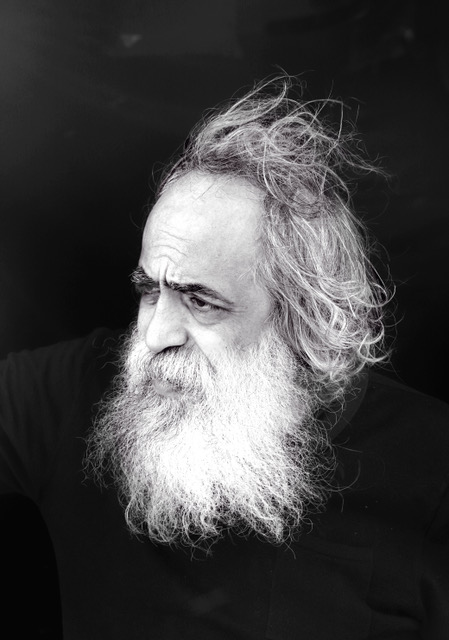
Franco Maresco (Palermo, 1958) began working as a satirical cartoonist and radio speaker in the 70s and 80s. In 1986 he collaborated with Daniele Ciprì, with whom he created Cinico TV, one of the most innovative and original programs of Italian television, aired on Rai3 since 1990. In 1995 the two directors realised their first feature film, The Uncle from Brooklyn, followed by Totò Who Lived Twice (1998), The Return of Cagliostro (2003) and How We Got the Italian Movie Business into Trouble (2004). Apart from Daniele Ciprì in 2007, Franco Maresco made I am Tony Scott. The Story of How Italy Got Rid of the Greatest Jazz Clarinetist (2010), Belluscone. Una storia siciliana (2014), winner of the Orizzonti special jury prize at the Venice Film Festival and the David di Donatello for best documentary, Gli uomini di questa città io non li conosco (2015), Mafia Is Not What It Used to Be (2019), Special Jury Prize at the 76th Venice Film Festival, Lovano Supreme (2023), special event at Locarno Film Festival.
CREDITS
Directed by: Franco Maresco
Script: Franco Maresco, Claudia Uzzo
In collaboration with: Umberto Cantone, Francesco Guttuso
Cinematographer: Alessandro Abate
Editing: Paola Freddi, Francesco Guttuso
Costume design: Luisa Viglietti
Set design: Nicola Sferruzza, Cesare Inzerillo
Sound: Luca Bertolin
Production: Dugong Films, Lucky Red, with Eolo
International Sales:True Colors